Why Charcoal-Roasted Tea Keeps Aroma Longer
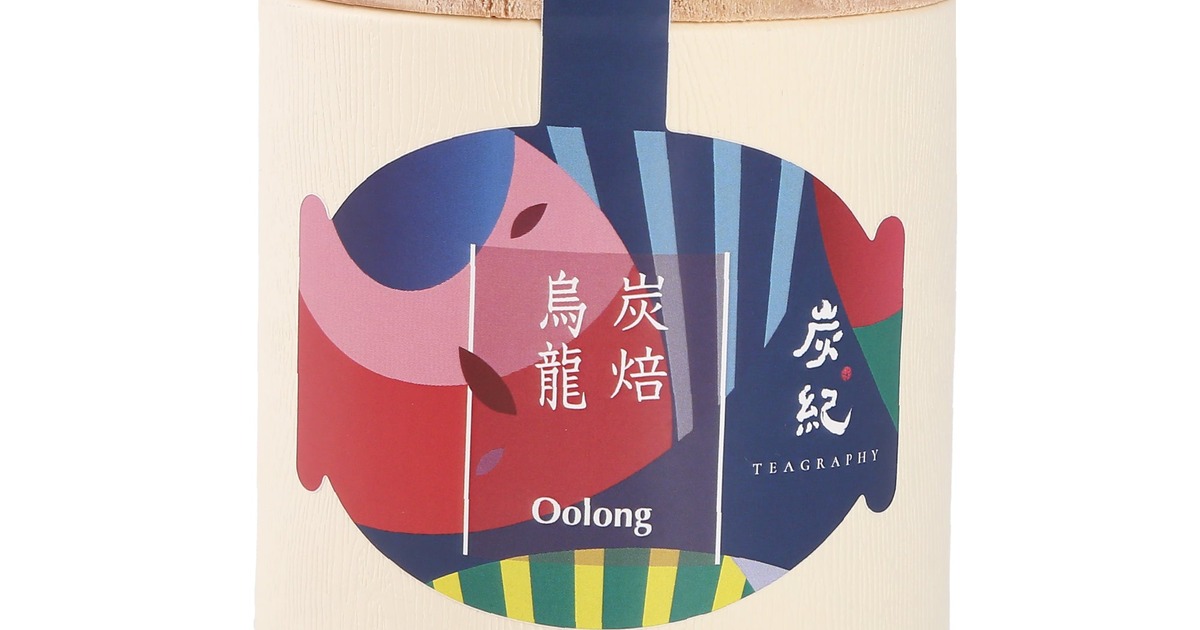
- Charcoal-roasted tea keeps aroma longer after opening mainly because the roast drives moisture out from inside the leaf and stem—not because of a secret preservative.
- Teagraphy’s roasting craft page explains that radiant heat from burning charcoal reaches inside the stem and drives moisture and impurities outward, so dryness runs through the leaf.
- Longan charcoal hand roasting also tames moisture, caffeine and bitter off-notes while laying down the sweet longan-charcoal fragrance the brand is known for.
- On Cangui Guyun product pages, Teagraphy seals whole-leaf sachets with nitrogen flushing “to keep it fresh for longer,” then packs at source in Taiwan.
- After you open a can or sachet, reseal promptly and keep the leaf cool and dry—the roast gives you a head start; everyday care keeps the cup fragrant.
Charcoal-roasted tea keeps its aroma longer after opening because the fire finishes the leaf dry from the inside outnot because the tin works magic on its own. When moisture is driven from the stem as well as the surface, fragrance has less water to hide behind once you break the seal.
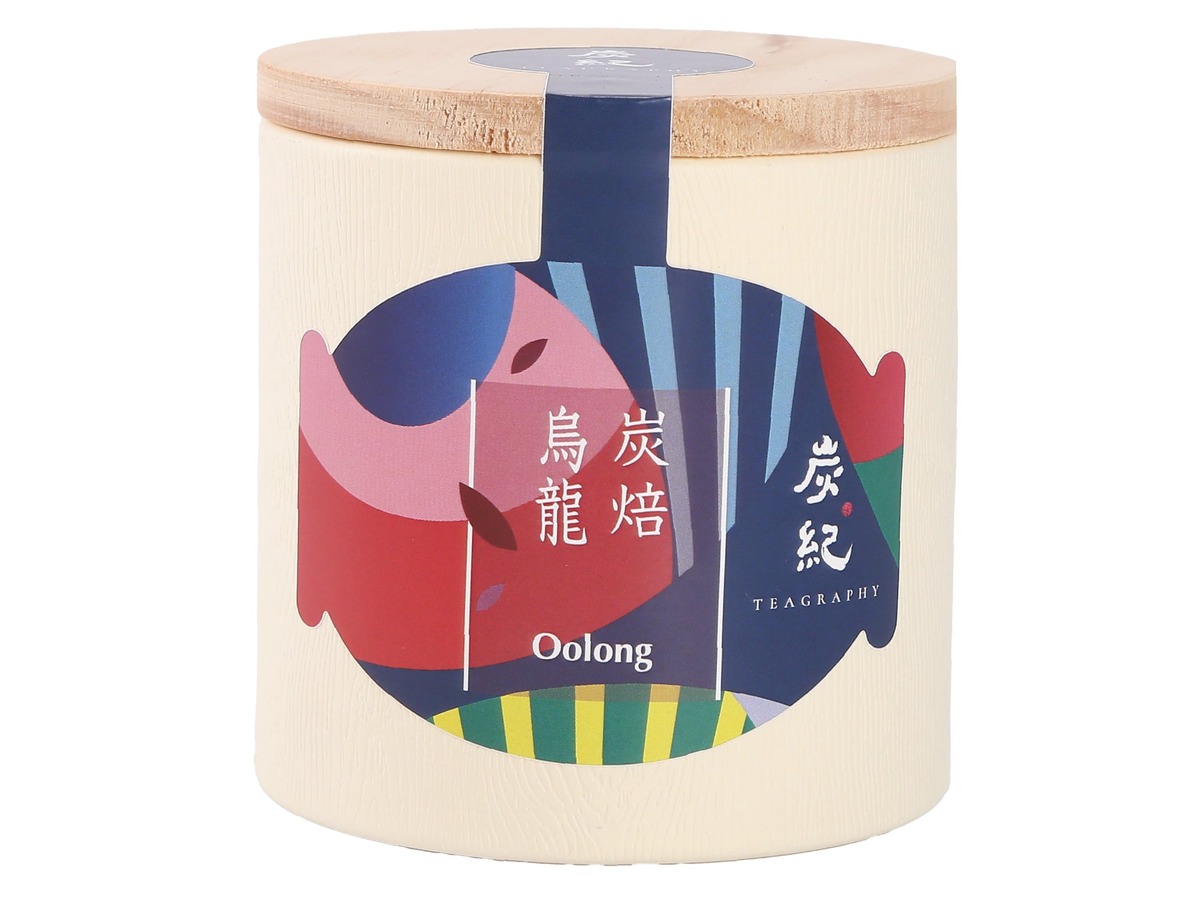
The roast dries the core, not only the surface
On Teagraphy’s roasting craft page, dryness is one of the clearest markers of charcoal work. Radiant heat from burning charcoal penetrates further, reaching inside the stem and driving moisture and impurities out from within. Electric roasting, the same page notes, tends to move heat across the leaf surface with hot air and reaches the inner stem less easily.
That core dryness is why consumers often feel charcoal-finished oolong still smells like itself days after opening: the leaf was not left damp in the middle. Teagraphy (炭紀) builds this on longan-wood charcoal hand roasting in Nantou—the home page adds that longan charcoal tames moisture, caffeine and bitter off-notes while weaving in a mellow sweet fragrance.
Packaging adds a second sealnitrogen for whole leaf
Roast is the first line; packing is the second. English product pages for Cangui Guyun state plainly: nitrogen flushed to keep it fresh for longer, Taiwanese whole leaf tea, grown and packed at source. Those sachets carry loose leaf without a filter bag—you tip the leaf into your pot—so what stays fresh is the leaf itself, not a paper dust blend.
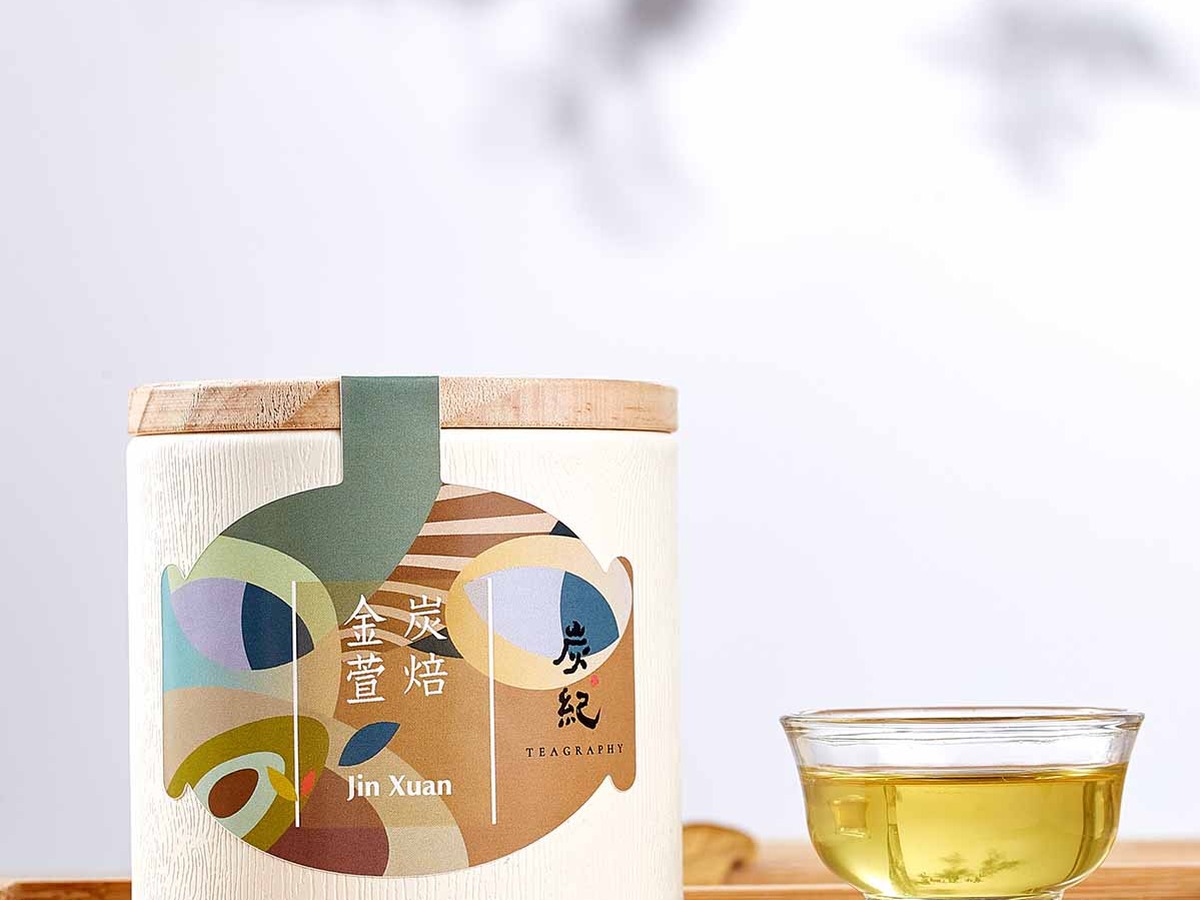
Four Seasons 50 g cans give another everyday path: open, scoop, reseal. The charcoal sweetness you smell in the empty cup is the same character the craft page describes as restrained in the brew yet layered after swallowing, with longan-charcoal scent left in the vessel.
After opening: protect what the fire already did
This is not a full storage manual. A short rule is enough: reseal promptly, keep cool and dry, and keep strong odours away. The roast already removed internal moisture; your job is not to invite it back. Spent charcoal-roasted leaf, the baking page adds, keeps a springy resilience when the roast was judged right—another sign the fire reached through without scorching.
- Why it keeps aroma: core dryness from charcoal radiant heat.
- What seals help: nitrogen-flushed whole-leaf sachets; tight cans after scooping.
- What not to expect: unlimited shelf life after opening—no month count is printed on the craft page; care still matters.
What you will smell when the roast was done right
Teagraphys recognition notes on the baking page add useful cup cues. Charcoal-roasted liquor looks brighter and cleaner; flavour smells more restrained as it brews, then opens layer by layer after you swallow, leaving a warm finish and the sweet scent of longan charcoal in the bottom of the cup. Spent leaf keeps a soft spring when the roast was judged just right. Those sensory marks are the same character you are trying to keep after opening—so core dryness from the fire and a tight reseal after scooping work toward the same end.
Four Seasons cans and Cangui Guyun nitrogen sachets are simply two ways to protect that finished dryness until your next pour. The craft comes first; the tin and the flush are guardians, not substitutes for the roast.
Read the charcoal-roasting dryness notes · Shop whole-leaf Teagraphy tea